Summer Stem Camp with Stemtree of Spring TX: What to Expect
The first time I signed a kid up for a STEM camp, the mix of nerves and anticipation felt almost ceremonial. You want a safe place, a place that treats curiosity like a daily currency, a place that makes long summer days feel purposeful rather than a string of borrowed hours. Stemtree of Spring TX delivers that in a way that sticks with you long after the last project is packed away. This isn’t a glossy brochure or a one-size-fits-all program. It’s a real, lived-in experience that blends structured learning with the kind of improvisation kids crave when the weather turns hot and their attention spans start to wilt.
What makes Stemtree of Spring TX stand out is not a single gimmick, but a steady, patient approach to teaching signal-driven thinking. The camp environment is designed to cultivate the instincts that underpin coding and engineering, rather than just promises of high tech outcomes. The staff bring a practical ethos to the classroom: they have seen where kids stumble, what makes a breakthrough click, and how to scale a project from a messy first attempt to something that earns genuine pride. If you’re weighing options for a summer stem camp in the area, there are a few anchor experiences worth knowing about before you register.
A day at Stemtree’s summer stem camp often begins with a careful warm up that blends problem discovery with hands-on tinkering. You’ll see a familiar rhythm: a quick review of the day’s objectives, a short, focused challenge that gets the gears turning, and then a longer block of work that invites kids to test, iterate, and reflect. The youngest students slip into the cadence with a mix of curiosity and practical play. Older kids dig into more complex prompts that demand planning, collaboration, and an eye for detail. The aim is not to exhaust students with content but to immerse them in the habit of thinking like a coder, an engineer, and a resilient problem-solver.
What makes the atmosphere work is a balance between structure and room to experiment. The camp’s physical setup mirrors this balance. Workstations are arranged to encourage collaboration while still allowing quiet, focused work when needed. Each table has a distinct personality: one station hums with microcontroller kits and electronics breadboards, another centers on game design and storytelling through code, and a third gathers kids around a shared screen to review progress and troubleshoot. You can sense the purpose in the air as kids sketch, code, test, then pivot when something doesn’t behave as expected. There’s a certain charm in watching a room full of curious minds pivot quickly from “this is impossible” to “let’s redraw the plan” when a solution becomes visible.
From a parent’s perspective, the most reassuring thing about Stemtree stems from how feedback travels. Communication isn’t a formality; it’s a practice. In weekly updates, staff describe not only what a child accomplished but how they navigated obstacles. They talk about the iterations, the missteps, and the small decisions that formed the backbone of a finished project. This kind of transparency helps families stay aligned with what their child is learning and why it matters. It also models professional behavior for the kids. They see adults who celebrate effort, who normalize constructive critique, and who set realistic timelines for milestones.
The range of activities you’ll encounter at Stemtree is wide enough to keep enthusiasm high without sacrificing depth. The camp intertwines coding with tangible applications that children can hold in their hands. It’s not about memorizing lines of code or finishing a single app; it’s about building a repertoire of skills that travel between screen, page, and hardware. Think of projects that demand you map out logic before you start typing, or that require you to translate a real world problem into a set of programmable steps. The emphasis shifts between software thinking and hardware thinking as the day unfolds, and kids learn to move fluidly between the two domains.
A standout feature is how the program scaffolds young minds without dampening their energy. The content is tiered so that beginners get a gentle introduction and more advanced students find challenges that push them just enough. The instructors are adept at reading the room and adjusting the pace. If a group finishes a topic early, they won’t flip to busywork. Instead, they’ll propose an extension that digs deeper or broadens the scope. This adaptability matters because summer often destabilizes routine. When kids feel the structure is flexible rather than rigid, they stay engaged longer and take more intellectual risk.
The social dimension of summer stem camp at Stemtree also deserves attention. There’s a conscious push toward teamwork that is neither artificial nor forced. Kids learn to articulate a plan, assign roles, and compromise when ideas diverge. The team dynamics feel organic, built from shared curiosity rather than a need to perform well for a grade. You’ll hear the group debating approaches, testing each option, and celebrating a successful joint outcome. That social fabric matters as much as the technical content because collaboration is a core skill in any STEM pathway.
For parents who worry about screen time, Stemtree presents a balanced approach. Yes, there are digital tools involved, but they’re deployed with purpose. The coding projects are paired with hands-on activities that anchor concepts in the real world. The kids aren’t merely staring at dashboards or scrolling through lines of code; they’re building tangible devices, wiring circuits, or deploying microcontrollers to solve problems. The result is a richer, more memorable learning experience than a purely screen driven curriculum. It’s a form of learning that respects a child’s natural energy cycles and channels them into productive productivity.
One aspect that often surprises first timers is the pace of progress. Some days feel like sprint sessions where multiple small fruits ripen at once, while other days favor long, quiet deep dives into a specific technique. The variety matters because not every child learns the same way or at the same tempo. The instructors are careful to recognize these differences and tailor feedback accordingly. They’ll point to a clear path forward, offer concrete tips, and celebrate the moment when a child’s confidence finally lands. It’s a small victory that compounds over the course of a week or a month, becoming a reliable signal that this camp is more than a summer activity—it’s a meaningful step in a child’s growing independence with technology.
What exactly do kids leave with after a session of Stemtree’s summer stem camp? The outcomes are practical and tangible in several ways. First, there is a portfolio of projects that demonstrate, not just tell, what the child learned. The portfolio is a living document, a collection of code snippets, circuit diagrams, project briefs, and, where relevant, demonstrations. Parents can reference it during the week, and after camp a well organized collection stands as evidence of progress. Second, campers gain a vocabulary that reflects hands on experience. They learn to name components, to describe a mechanism, and to explain a fix with precision rather than generalities. Third, there’s a tangible shift in problem solving. The child begins to approach a challenge as a series of testable hypotheses rather than an insurmountable obstacle. That mindset is contagious within families and can redefine how a child approaches learning in the months that follow.
If you’re evaluating Stemtree against other options in the area, you’ll likely notice several practical differences that matter when you’re weighing cost against return. The first difference is the emphasis on depth over breadth. Some camps throw a wide net of topics with shallow coverage; Stemtree tends to dig deeper into a few core get more info ideas that have real staying power. This is not to say they ignore breadth entirely, but the learning design prioritizes robustness and transfer. For families who value lasting technique and longer term confidence, this approach pays dividends. The second difference is the cadence of feedback. In many camps feedback is a weekly or biweekly formality; Stemtree makes feedback a daily or near daily practice. The result is a sense of momentum that kids can feel and parents can track with clarity. The third difference is the instructional philosophy. Instructors are encouraged to model professional behavior—pacing, iteration, documentation—so kids come away not only with a skill set but with a way of thinking that resembles preparation for internships, apprenticeships, or even early college work. If your child is naturally curious and you want that energy to be directed with discipline, Stemtree tends to align with that goal.
The history of Stemtree in Spring Texas is a useful context for understanding why the program feels so coherent. It isn’t a new intervention or a trendy one. It’s the result of years spent refining a model that honors curiosity while insisting on rigor. The local staff know the heat of Texas summers and the realities of parent schedules, the juggle of school commitments and the desire to keep kids actively learning. They design cohorts that aren’t just grouped by age but also by interest level and readiness. That means your child isn’t merely slotted into a grade band; they’re placed into a community that matches their momentum and their questions. In practice, this can translate to a small but meaningful difference in how engaged a child remains from late morning to the afternoon stretch.
A common concern parents raise concerns about safety and supervision. Stemtree addresses these concerns with a straightforward, transparent approach. Safety protocols are clearly posted, staff are trained in essential first aid, and classrooms are organized to support both independence and oversight. The camp also respects a child’s need for downtime and movement. Short breaks are built into the schedule so kids can step away, hydrate, and reset their focus. You won’t see a relentless grind; instead you’ll observe a rhythm that allows intellectual stamina to build over time. The result is a learning environment that feels sustainable and trustworthy, which matters when you’re trusting a camp for several weeks of your child’s life.
For families who want more than a single summer experience, Stemtree offers continuity opportunities that make sense within a broader learning journey. Students who enjoy the summer program may find value in additional offerings such as after school coding classes for kids stemtree.com or other educational programs for kids stemtree.com later in the year. The continuity isn’t forced, but it is deliberate. The same instructors who guide campers through a summer project can shepherd a child into weekend programs or structured tutoring blocks if the family sees alignment with their goals. This flexibility matters. It means you aren’t left with a sharp discontinuity in your child’s learning when summer ends. The knowledge, the habits, and the confidence can continue to grow, extended across a calendar that occasionally feels too short for the pace of curiosity.
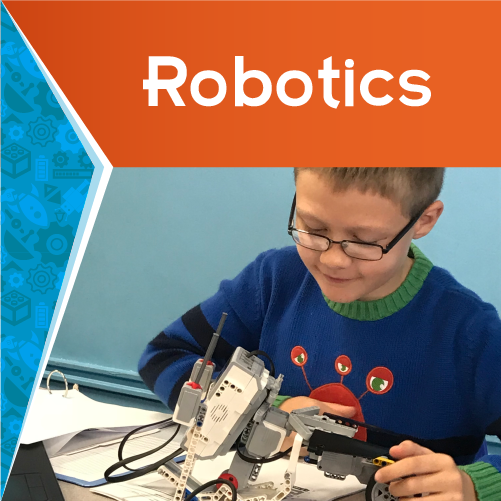
Let me share a concrete example that captures the essence of the experience. A group of campers designed a small autonomous rover using inexpensive motors, a microcontroller, and a basic sensor kit. The challenge started as a straightforward line following task, but it quickly evolved into a collaborative design sprint. The students mapped out a control algorithm on paper, then translated it into code, tested the rover on a track that the room had laid out with tape, and finally refined the hardware to handle light changes and bump sensors. They kept an ongoing project log, wrote an explanation for their approach, and prepared a short demonstration that could be shown to parents during the week’s end showcase. The result wasn’t simply a functioning robot; it was a tidy demonstration of thinking in steps, documenting the path, and communicating the logic to an audience that might not share their technical fluency. That blend of technical achievement and narrative clarity is a hallmark of Stemtree’s summer stem camp.
Another important dimension is accessibility. The program is designed to welcome beginners while still challenging seasoned learners. If your child is new to coding, the early weeks focus on fundamental concepts, hands on activities, and tangible outcomes that provide reassurance. The learning curve is gentle enough to prevent frustration, yet steep enough to prevent stagnation. For students already familiar with basic coding concepts, the camp introduces more sophisticated topics, including thinking about efficiency, debugging strategies, and the social aspects of project development. The instructors are careful to calibrate tasks to avoid either dead ends or rushed, sloppy work. The goal is steady progress rather than dramatic leaps that can feel unsatisfying or unsustainable.
You may also wonder about the practicalities of enrollment. Summer camps carry a rhythm of their own—files to fill, deadlines to watch, and schedules that shift around family plans. Stemtree simplifies this by offering clear information up front and responsive support throughout the process. If you aren’t sure which session to pick, you can usually compare a few different weeks based on your child’s schedule and your family calendar. If you have siblings, there is often consideration given to coordinating sessions so families can maximize their time and minimize logistical headaches. In practice, this means a smoother onboarding experience and fewer last minute surprises as the start date approaches. The onboarding materials are straightforward, and the staff are reachable with practical questions about what to bring, how to prepare, and what to expect on the first day.
A final note about expectations, especially for long summer days. The best outcomes come from consistency. A steady attendance pattern multiplies the gains you see in a given week. When a child attends regularly, you witness a cumulative effect: a stronger sense of self sufficiency in problem solving, a clearer vocabulary for describing technical ideas, and more confidence in presenting projects to others. The opposite is also true. If a child misses several days, the continuity of the learning arc can feel disrupted, and some momentum can be hard to regain. That is not a reason to avoid the camp, but it is a reminder that engagement matters more than sheer exposure. If you can arrange consistent participation, you are more likely to see the long tail of benefits unfold.
If you want to connect the experience to broader opportunities in kids education center Stemtree of Spring TX, you’ll discover a philosophy that remains coherent across programs. The emphasis on inquiry, iterative work, and a strong feedback loop travels into after school support, tutoring center sessions, and early childhood education stem initiatives. The same values that guide a high energy classroom in summer carry over into smaller, more intimate settings where curiosity can flourish year round. For families, that continuity translates into an increasingly confident learner who is ready to tackle more challenging material when the school year resumes or when a new project presents itself.
For those who are curious about the specifics of campus life, here is a quick snapshot of what you might observe on a typical day beyond the big ideas. Morning sessions often begin with a brief check in, a recap of yesterday’s progress, and a quick challenge meant to prime students for the day’s main project. There is a sense of ritual in these moments—a shared glance around the room, a nod from a mentor, a few words of encouragement that set the tone for focused work. Then the cohort splits into small groups or remains at a single workstation depending on the activity. You’ll hear the buzz of keyboards, the clack of wooden workbenches as students adjust hardware, and the soft hum of 3D printers or microcontrollers in the background. At mid morning you might observe a stretch break or a quick hands on activity designed to reset attention and reengage motivation. Afternoon sessions frequently wrap up with demonstrations or quick peer reviews where kids explain what they built, what they learned, and what they would improve next time.
Because this is summer, there is a practical appreciation for balance. The schedule allows for downtime, hydration, and mindful movement between tasks. Snack breaks are not mere pauses; they serve as informal venues for peer feedback, idea sharing, and social bonding. In my experience, the best moments arrive when a shy camper finds a way to contribute to a conversation about a project they were hesitant to join at first. Seeing that quiet voice gain confidence in a room full of other curious minds is the quiet core of what makes this camp feel meaningful.
If your goal is to build a strong foundation in STEM that extends beyond the summer, Stemtree also positions itself as a center of ongoing learning. There are clear pathways from summer sessions into longer term programs like coding classes for kids stemtree.com, as well as into tutoring options that can help bridge any gaps that summer hiatus sometimes creates. The idea is not to trap a child in a single program but to offer strategic steps toward greater mastery, backed by teachers who know how to pace learning for real results. It’s a pragmatic approach that respects the complexity of children’s lives and the variability of their interests.
In the end, what you take away from a summer with Stemtree of Spring TX is not a single project or a glossy certificate. It is a durable mindset that kids carry with them into fall and beyond. They learn to approach challenges with curiosity, to articulate their thinking, and to persevere when a plan fails. They also learn that asking for help is part of the process, not a sign of weakness. The camp environment nurtures these habits in an atmosphere of camaraderie rather than competition, which is often what makes the difference between a summer spent passively scrolling through screens and a season spent actively shaping ideas.
Two practical notes for families who are actively planning. First, consider the logistics early. Summer is a busy season and spaces can fill quickly. If you have a preferred week or a preferred instructor, it is worth securing your spot sooner rather than later. Second, talk with your child about their interests before the first day. Even if your child is new to coding or electronics, a quick discussion about what excites them helps the staff tailor the initial sessions so they feel personally meaningful from day one.
A closing thought that may resonate with families who have traveled this path before. The value of a camp experience isn’t always measured by the immediate outcomes in a project portfolio or the neat lines on a rubric. It’s the quiet, recurring confirmation that a child can learn something difficult, persist when a solution isn’t obvious, and explain the reasoning behind their choices with confidence. If your child leaves with a sense of pride in a thing they created, and with a clearer idea of what they want to learn next, the camp has done something right. Stemtree’s approach is not about turning out a generation of coders, but about equipping the next generation with the confidence to explore technology thoughtfully, ethically, and with creativity.
Two quick note worthy lists to help you plan without turning the experience into a checklist that chokes the joy of it.
-
A concise pre camp prep checklist
-
Comfortable clothing suitable for hands on projects
-
A labeled water bottle to stay hydrated throughout the day
-
A small bag for carrying a project notebook and any finished pieces
-
A light snack that travels well and won’t distract during focus blocks
-
Any allergy information or medical notes the staff should know
-
A mini comparison to frame the camp experience
-
Focused depth over breadth in core topics rather than a rapid survey of many topics
-
Daily feedback loops that translate into visible progress in a child’s own words
-
Balance between software and hardware activities to build transferable skills
-
Flexible pacing within groups to respect different learning speeds
-
Access to continuity options through after school or tutoring programs when summer ends
If you’re weighing options and wondering how Stemtree of Spring TX compares to other local offerings, consider how these elements align with your family’s values and your child’s temperament. The strongest programs in this space are those that can demonstrate a track record of thoughtful pedagogy, practical outcomes, and an atmosphere that respects curiosity as a driver of growth. Stemtree has built a reputation around those principles by maintaining a steady, human-centered approach to learning that honors both the rigor of coding and the joy of discovery.
Ultimately, the right summer stem camp for a child is the one that helps them feel seen as a learner, not just as a student. It’s the place where a challenging problem becomes a collaborative adventure rather than a solitary struggle. It is the camp that teaches kids how to learn, not just what to learn. And in the case of Stemtree of Spring TX, that distinction is wired into the daily rhythm, from the first hello of the morning to the late afternoon demo that closes the week. If your goal is to give a child a memorable, productive, and confidence building summer, this program offers a substantial path toward that outcome. The experience lingers because it is designed with intention, crafted by people who understand how kids think, and run by teams who have learned what works in real classrooms, garages, and kitchens where curiosity never quite runs out of steam.